

Multi-platform
Access our systems on any operating system, browser, and device.
Intelligent Powered by ATHENA, ProDIGIQ AI
Automate critical processes and surface risks before they escalate.

Configurable
Tailor the system to meet your unique organizational needs.
Safety Reporting Module Details
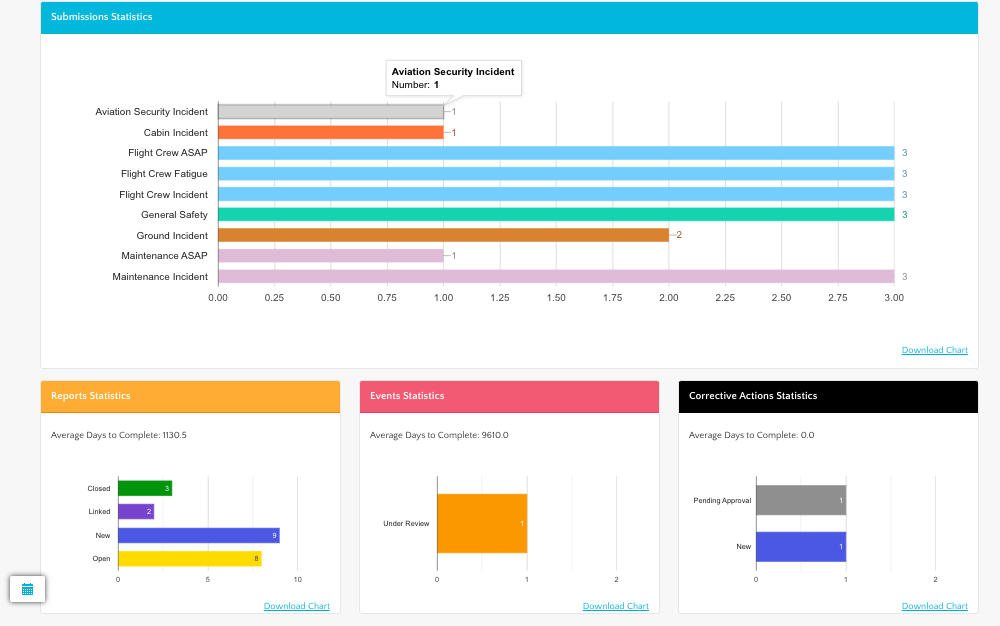
The Safety Reporting Module gives Air Navigation Services organizations a centralized way to capture, review, and manage safety concerns across operational and technical functions.
The Module supports the reporting process from initial submission through review, investigation, follow-up, and resolution. Related reports can be connected to the same event, giving safety and quality teams a clearer understanding of recurring issues and areas that may require further action.
ATHENA, ProDIGIQ’s proprietary AI model, helps streamline the process by providing intelligent suggestions for risk assessments, corrective actions, root cause analysis, and other safety activities. This reduces manual effort while helping teams make more informed and consistent decisions.
Module Overview
Anonymous and confidential reporting capabilities
Customizable and configurable reporting templates
Ability to connect related reports to the same safety event
Automated workflows for review, assignment, escalation, and resolution
Seamless integration with other ProSafeT modules
Key Benefits
Make safety reporting easier and more accessible across the organization
Reduce administrative workload through automated workflows and centralized records
Improve visibility into recurring concerns and emerging safety trends
Strengthen coordination and communication between safety, quality, operational, and technical teams
Enable mobile safety reporting through the dedicated ProSafeT Safety Reporting app, with offline functionality for use in the field.
Additional Subject Information
Safety reporting is a core component of an effective Safety Management System. Air Navigation Services organizations operate in complex environments where operational, technical, procedural, and human factors can all introduce safety concerns.
A strong reporting process helps organizations identify hazards, capture safety events, and understand where risk may be developing across the operation. When reports are reviewed collectively, they can reveal recurring issues and emerging trends that may not be visible from individual events alone.
Effective safety reporting also supports a positive safety culture by giving personnel a clear and trusted way to raise concerns. The information collected can then support investigations, risk assessments, corrective actions, and broader safety assurance activities.
When reporting is consistently encouraged and systematically analyzed, it becomes an important source of information for strengthening safety performance and supporting continuous improvement across the organization.